About Dadu's Bombay Halwa
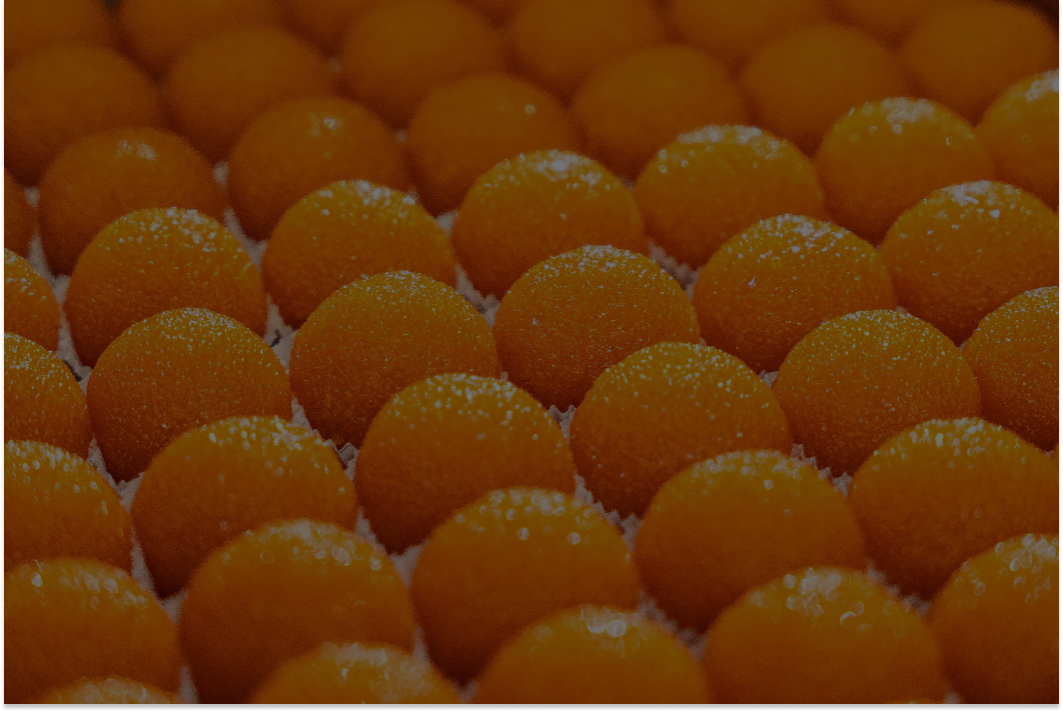
Bombay Halwa, widely known across India as Karachi Halwa or Corn Halwa, is one of the most texturally distinctive sweets in the Indian mithai tradition. Made from corn flour, sugar, pure ghee, and a generous measure of dry fruits, it is cooked slowly until it develops a glossy, jewel-like appearance and a uniquely chewy, dense texture that sets it apart from any other halwa variety. Each piece is cut into neat squares or rectangles and topped with cashews and almonds.
At Dadu's, Bombay Halwa has been made to the same recipe since 1983. The process requires constant stirring over a controlled flame until the corn flour mixture reaches the exact consistency required for the final product to set correctly, be chewy without being sticky, and hold its shape cleanly when cut. It is one of the more technically demanding sweets in the catalogue and one that rewards patience.
Bombay Halwa, Karachi Halwa, Corn Halwa: All the Same Sweet
One of the most common questions about this product is why it goes by different names. Bombay Halwa and Karachi Halwa refer to the same sweet. The name varies by region and by the era in which the sweet was introduced to a particular city. In Hyderabad and parts of South India it is widely known as Bombay Halwa. In Maharashtra and parts of North India it is more commonly called Karachi Halwa. The sweet itself, and the recipe, are identical.
The term Corn Halwa refers to the primary ingredient, corn flour (cornstarch), which is what gives the sweet its signature translucent appearance and chewy texture.
What Makes Dadu's Bombay Halwa Different
Slow-Cooked for the Right Texture
The texture of Bombay Halwa is entirely a function of how long and how carefully it is cooked. Under-cook it and the halwa is too soft and sticky. Over-cook it and it becomes rigid and loses its chew. At Dadu's, each batch is cooked to a precise endpoint that our halwais have developed over decades of making this specific sweet. The result is a halwa that is firm enough to cut cleanly but yields immediately when you bite into it.
Pure Ghee, Not Vanaspati
The richness and the slight gloss of Dadu's Bombay Halwa comes from pure desi ghee. Many commercial versions use vanaspati or refined oil to reduce cost, which produces a greasy rather than rich result and significantly diminishes the flavour.
Generous Dry Fruit Topping
Each piece is topped with cashews and almonds. The quantity of dry fruit is not token. It is a meaningful component of each piece and not just a garnish placed for appearance.
No Artificial Colour
The deep orange-red colour of Dadu's Bombay Halwa comes from the natural caramelisation during cooking and the spices used in the recipe. We do not use artificial food dye to achieve the colour.
When to Gift or Serve Bombay Halwa
Bombay Halwa is one of the most visually striking sweets in the Dadu's range. The deep colour and glossy surface make it stand out in any mixed mithai box, which is one reason it is a popular addition to festival and gifting assortments.
* Diwali, Eid, Holi, and all major Indian festivals
* Mixed mithai gift boxes where visual variety matters
* Pooja prasad and religious occasions
* Wedding and engagement sweet assortments
* Gifting to those who prefer chewy sweets over soft or crumbly ones
Available Sizes
Size Best For
250g Personal gifting or sampling
500g Family sharing and larger gifting occasions
Shelf Life and Storage
Store in an airtight container in a cool, dry place away from direct sunlight. Refrigeration is not recommended as it can harden the halwa and affect the texture. If the halwa does harden slightly in cold conditions, allow it to return to room temperature before serving. Best consumed within the shelf life printed on the packaging.





 FREE SHIPPING PAN INDIA ABOVE 999